

Noise is the primary obstacle to market authority.
Our physical and digital landscapes are saturated with distractions. To gain traction, a brand must rise above the static. But breakthrough is impossible if the noise is coming from within.
External confusion is merely a symptom of internal fragmentation.
If your team cannot articulate your core mission with surgical precision, your audience has no hope of understanding your value. You cannot control the environment. You can, however, control the clarity of your own signal.
Clarity is not a luxury. It is a strategic prerequisite.
A comprehensive branding audit is the focus that cuts through market fog. It is the foundation of Premium Brand Positioning. Without it, marketing is a drain on resources rather than an investment in growth.
To transition from a state of chaos to a state of intentional design, you must conduct a branding audit.
1. Strategic Exclusion: Who do you serve, and who do you repel?
In branding, neutrality is a failure.
Many organizations fear exclusion. They attempt to be everything to everyone, resulting in a diluted message that resonates with no one. True strategy requires a choice.
The Problem: Trying to “catch” the entire market leads to high-friction sales cycles and misaligned client expectations.
The Solution: Identify your ideal audience with clinical precision. By definition, identifying who you are for requires you to identify who you are not for.
Strategic exclusion is not about being exclusionary for the sake of it. It is about sharpening your message so it hits its intended target with maximum force. When you repel the wrong audience, you create space for the right one.
The Outcome: A refined messaging hierarchy that attracts high-value stakeholders and reduces the operational drag of misaligned leads.

. Branding Audit Differentiation: What is your unique value proposition?
Sameness is the death of margins.
If your brand looks, talks, and acts like your competitors, you are a commodity. Commodities compete on price. Brands compete on value.
The Problem: Most companies focus on “better” rather than “different.” Better is subjective. Different is a position.
The Solution: Re-examine your value proposition. What is the specific mold you are breaking? How does your methodology serve your target market in a way that no other solution can?
Your differentiator does not need to be a radical invention. It can be a unique approach to craftsmanship, a specific Website Infrastructure that others ignore, or a level of intentional design that elevates the user experience. If your branding audit can’t name this in one sentence, you don’t have a differentiator yet.
The Outcome: A clear, defensible position in the market that justifies premium pricing and builds long-term brand equity.
3. Identity: What is the common thread?
Service sprawl is a silent killer of brand clarity.
As companies grow, they often add services and products haphazardly. This creates a cluttered identity that confuses the consumer.
The Problem: Confused people do not click. They do not buy. They leave.
The Solution: Identify the underlying value that ties all your offerings together. Whether you offer consulting, products, or creative services, there is a singular thread: a core promise: that links them.
You must put this thread on a pedestal. Stop leading with a laundry list of services. Lead with the ultimate transformation you provide. When the core identity is clear, the individual services find their place in the hierarchy naturally.
The Outcome: A cohesive brand architecture that allows for growth without the cost of confusion.

4. The Core: What is your “Why”?
Strategy without purpose is just a checklist.
At Tevao Creative, we believe that the “Why” is the strategic core that drives all creative craftsmanship. We often reference the “Circle of Why” as a framework to strip away the superficial layers of a brand.
The Problem: Most brands focus on the “What” (the product) and the “How” (the process). They neglect the “Why” (the purpose), which is the only thing that creates an emotional connection with the consumer.
The Solution:
- Define the What: The tangible product or service.
- Define the How: The unique methodology or Intentional Design process.
- Define the Why: The fundamental reason your brand exists beyond profit.
The Outcome: A purpose-driven brand that inspires loyalty and provides a roadmap for every creative and strategic decision.
5. Longevity: What do you stand for?
Values are not “soft” assets. They are operational imperatives.
For modern consumers: specifically Gen Z and Alpha: brand values are a primary filter for purchasing decisions. They are looking for alignment, transparency, and consistency.
The Problem: Values are often relegated to a page on a website, ignored in the day-to-day operations of the business. This creates a “trust gap.”
The Solution: Integrate your values into every touchpoint. This includes your internal communications, your Marketing Management, and your supply chain.
Meaningful growth occurs when your brand’s actions consistently reflect its stated beliefs. This is how you build a brand that lasts decades, not just seasons.
The Outcome: A resilient brand with a deep, authentic connection to its audience, capable of navigating market shifts with integrity.
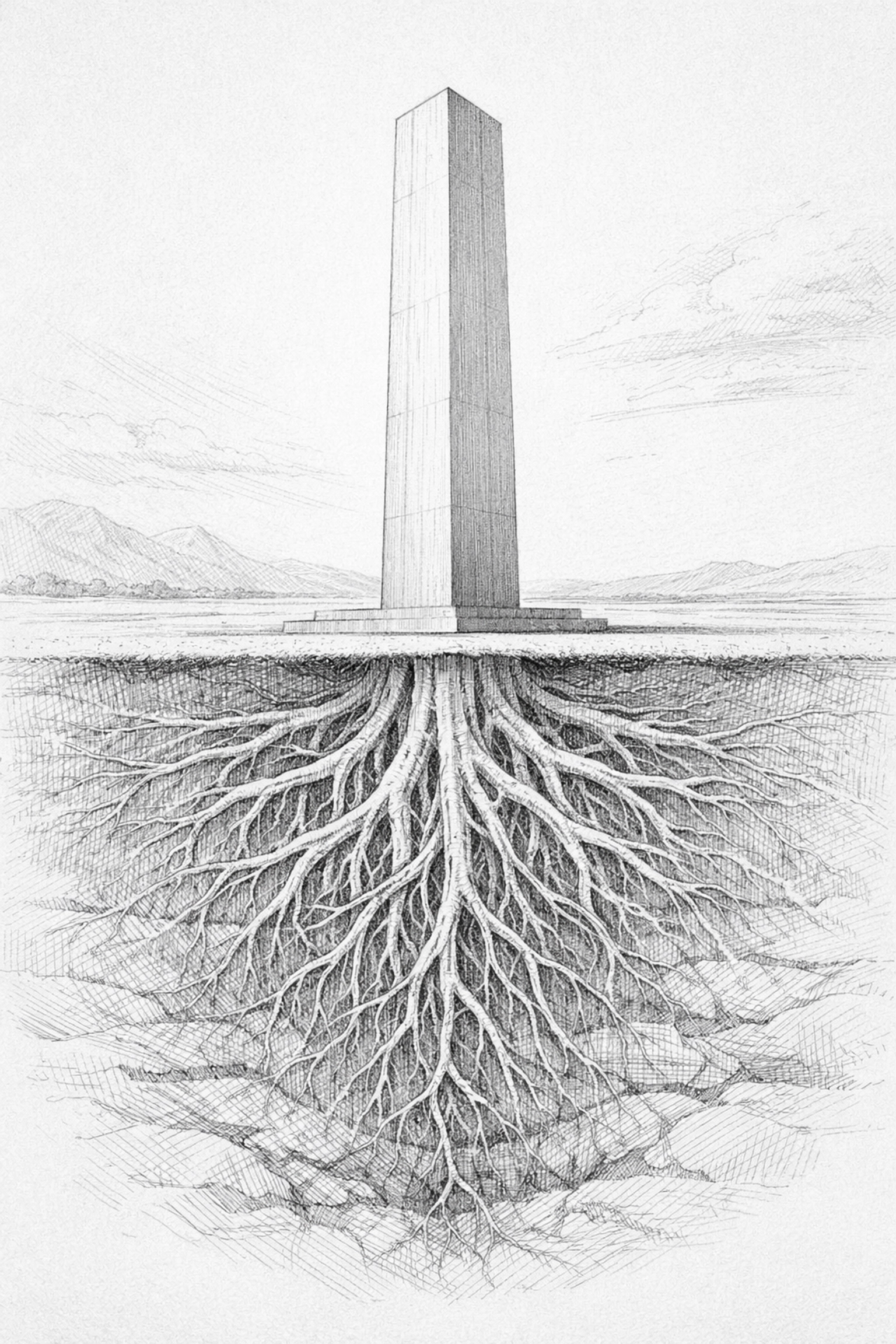
6. The Primary Friction Point: What is the biggest problem you solve?
Clarity requires a focus on the “Big One.”
Every brand solves multiple problems, but your messaging cannot afford to be multi-dimensional at the first point of contact. You need a lead problem.
The Problem: Trying to communicate every solution simultaneously results in a cluttered message that fails to hook the audience.
The Solution: Identify the single most significant challenge your target audience faces. What is the one thing keeping them up at night? Your brand must be the definitive answer to that specific problem.
Once you have solved the primary friction point, you have the permission: and the attention: to solve everything else.
The Outcome: A high-conversion messaging strategy that cuts through the noise and drives immediate action.
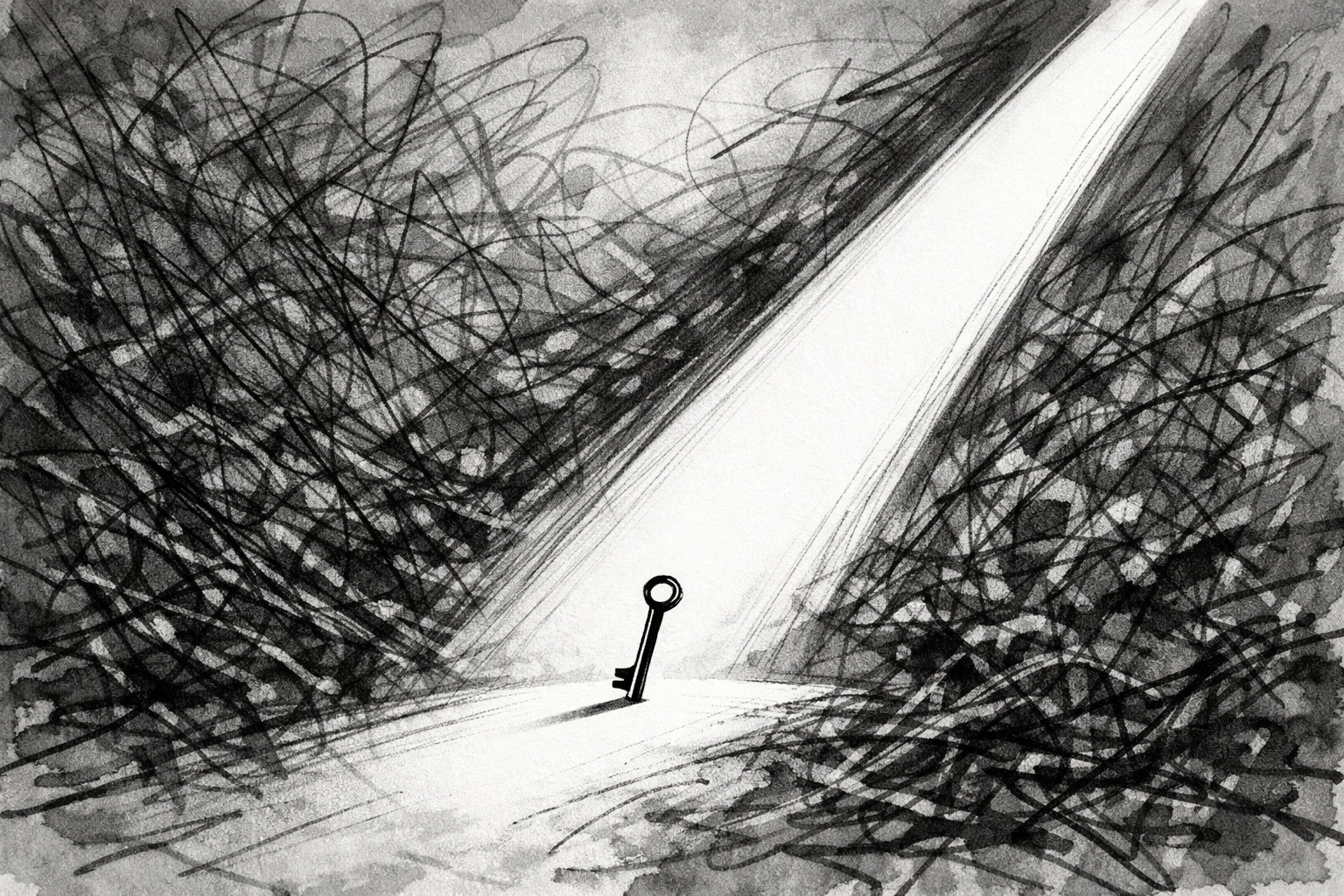
The Path Forward
Strategy is not about adding more. It is about stripping away the non-essential until only the truth remains.
A branding audit is the first step toward Meaningful Growth. It is a move away from the chaos of “doing” and toward the sophistication of “being.”
If you want a deeper, widely-used framework for evaluating brand strength, read Harvard Business Review’s The Brand Report Card.
Internal clarity is the only way to achieve external authority. If you are ready to stop the noise and start the work of intentional brand building, we are here to facilitate that transition.
TEVAO: WE SEE YOU. WE GET YOU. WE GOT YOU.

![[HERO] 7 Graphic Design Mistakes & How to Fix Them](https://tevaocreative.com/wp-content/uploads/2026/03/7-2-300x200.png)
![[HERO] Custom Illustration Services: Why Human Craft Wins in 2026](https://tevaocreative.com/wp-content/uploads/2026/03/14-300x200.png)
![[HERO] Intentional Design: Why Your Branding Needs Purpose to Grow](https://tevaocreative.com/wp-content/uploads/2026/03/15-300x200.png)